Attraction Profile
Short Introduction
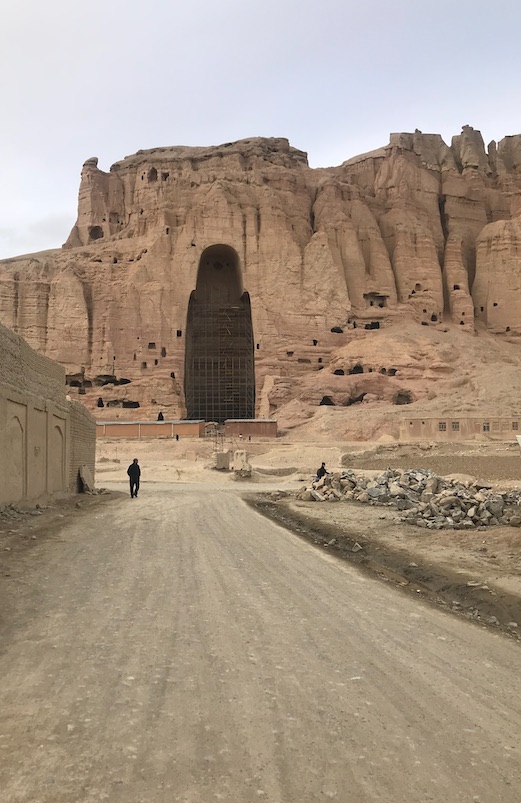
Iconic Silk Road cultural giants. Carved into the sandstone cliffs in the 6th century, these massive niches once housed the world's tallest standing Buddhas. Today, they remain a UNESCO World Heritage site and a powerful symbol of Afghanistan's diverse history, offering panoramic views of the valley from the honeycomb of caves and monastic cells.
Cultural / Historical Context
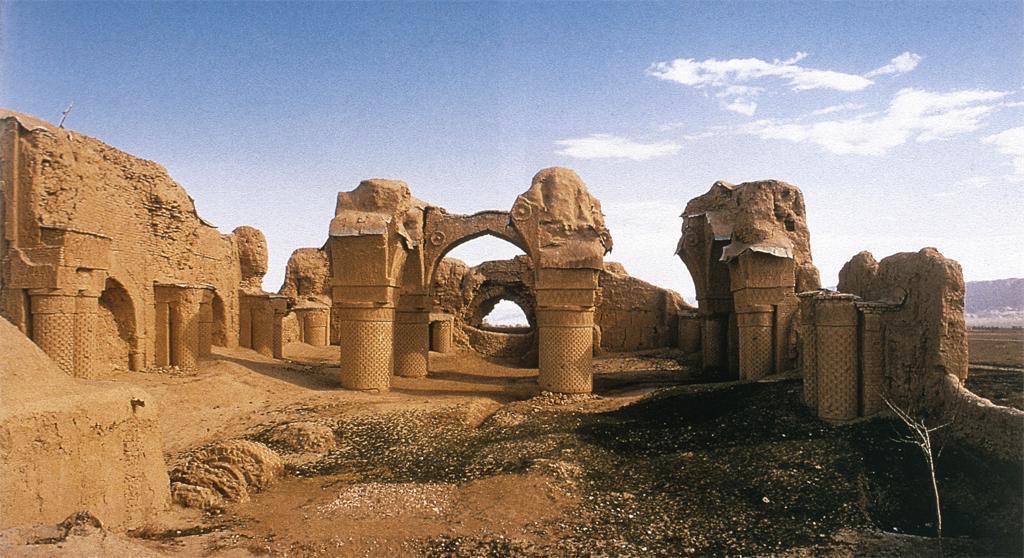
This is a history-focused stop where the surrounding setting is part of the experience. Ruins, surviving structures, and local place memory help visitors understand how older political, religious, and trade networks shaped this part of Afghanistan.
Visitor Reality
Plan this as a 3-hour visit. Access is generally straightforward by Afghan travel standards, but timing still depends on local coordination, road conditions, and the day’s operating plan. The preferred movement style is road. Morning and late afternoon usually give the best light for photography and a more comfortable pace for walking.
Best For
- Travelers interested in unesco
- History-focused travelers
- Travelers interested in buddhistart
- Travelers building a wider regional itinerary