Discover
About Amanullah Tomb
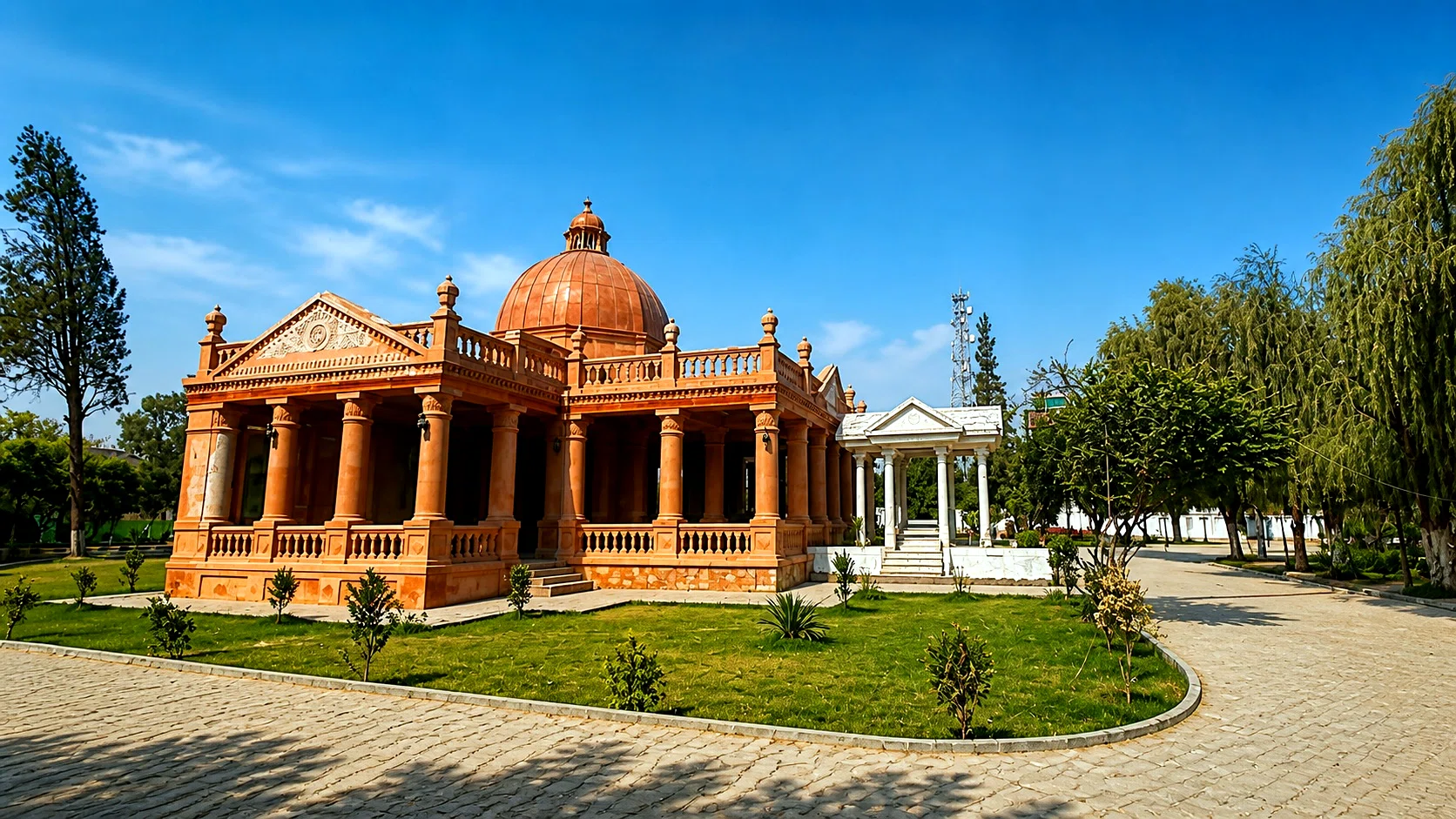
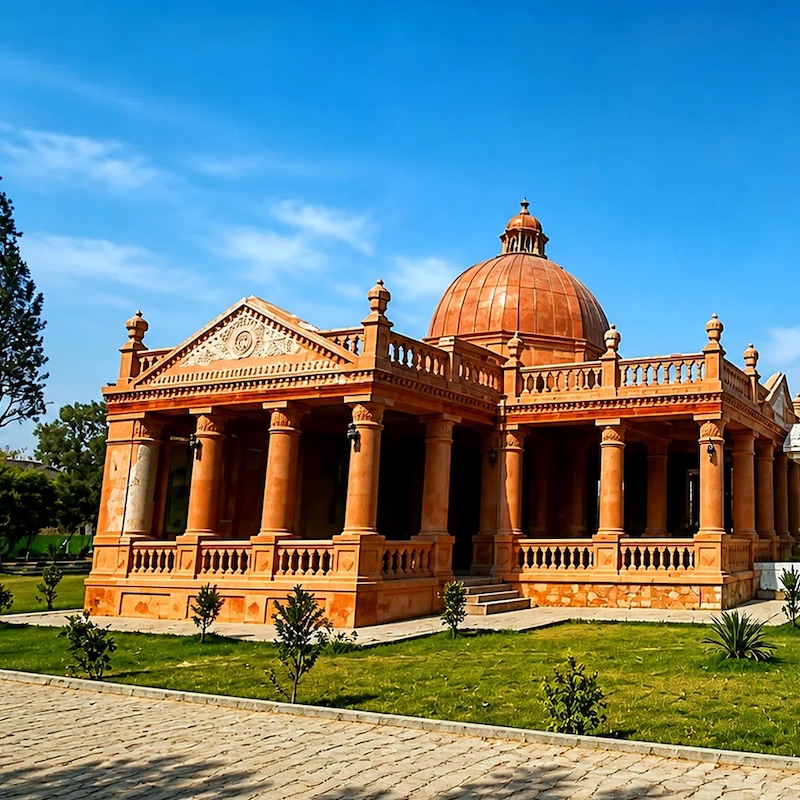
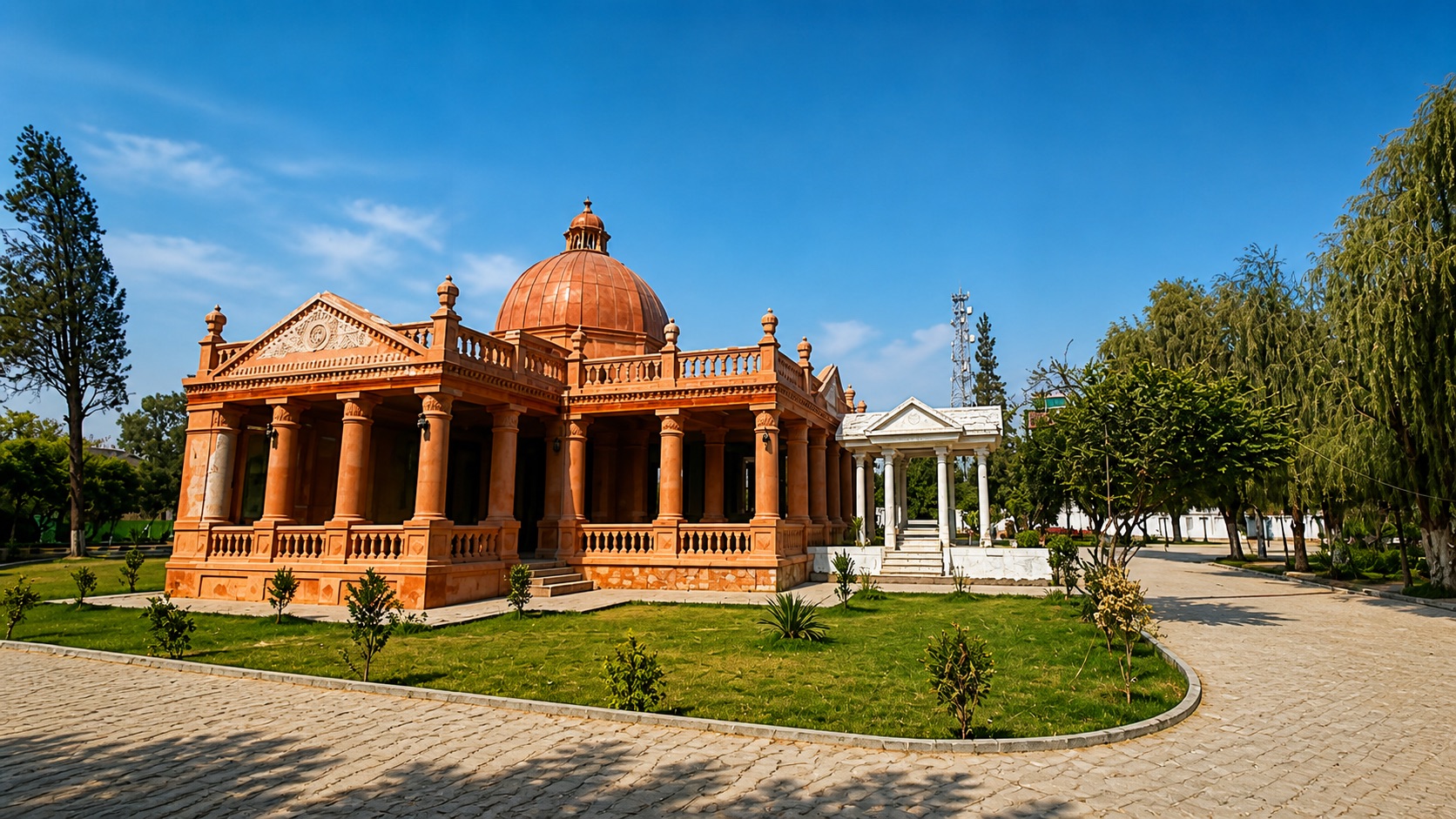
Amanullah Tomb is located in Jalalabad, Nangarhar Province, and marks the burial place of King Amanullah Khan, who led Afghanistan to independence in 1919 and introduced major modernization reforms. The site is a meaningful cultural and historical stop in Jalalabad, especially for visitors interested in Afghanistan's royal history, independence period, and early twentieth-century transformation.
Short Introduction
The Tomb of King Amanullah Khan in Jalalabad is an important historical site connected to Afghanistan’s independence and early modern reform era. It offers travelers a meaningful stop for understanding the legacy of the king who led Afghanistan to full independence in 1919 and attempted major political, educational, and social reforms.
Cultural / Historical Context
King Amanullah Khan remains one of the most significant figures in modern Afghan history. After the Third Anglo-Afghan War, his government secured Afghanistan’s full independence in foreign affairs and pursued an ambitious modernization program.
His tomb in Jalalabad reflects both national memory and the complexity of Afghanistan’s twentieth-century history. For visitors, the site provides context for Afghanistan’s independence movement, royal history, and the tension between reform, tradition, and political change.
The location is especially relevant for travelers interested in Afghan state formation, modern history, and the country’s relationship with regional and global powers during the early twentieth century.
Visitor Reality
The tomb is suitable as a short cultural and historical stop while visiting Jalalabad. Access is generally straightforward when included as part of a planned city itinerary, though timing, local conditions, and any site-specific guidance should be confirmed before visiting.
Walking difficulty is minimal, and the visit does not usually require a long time on site. Photography may be possible, but guests should follow the guidance of their local guide and avoid photographing people, officials, or sensitive surroundings without permission.
Best For
- History travelers
- Visitors interested in Afghan independence
- Researchers and documentary travelers
- Cultural travelers
- Guests visiting Jalalabad as part of an eastern Afghanistan route