
Discover
About Palace of Sultan Mas'ud III
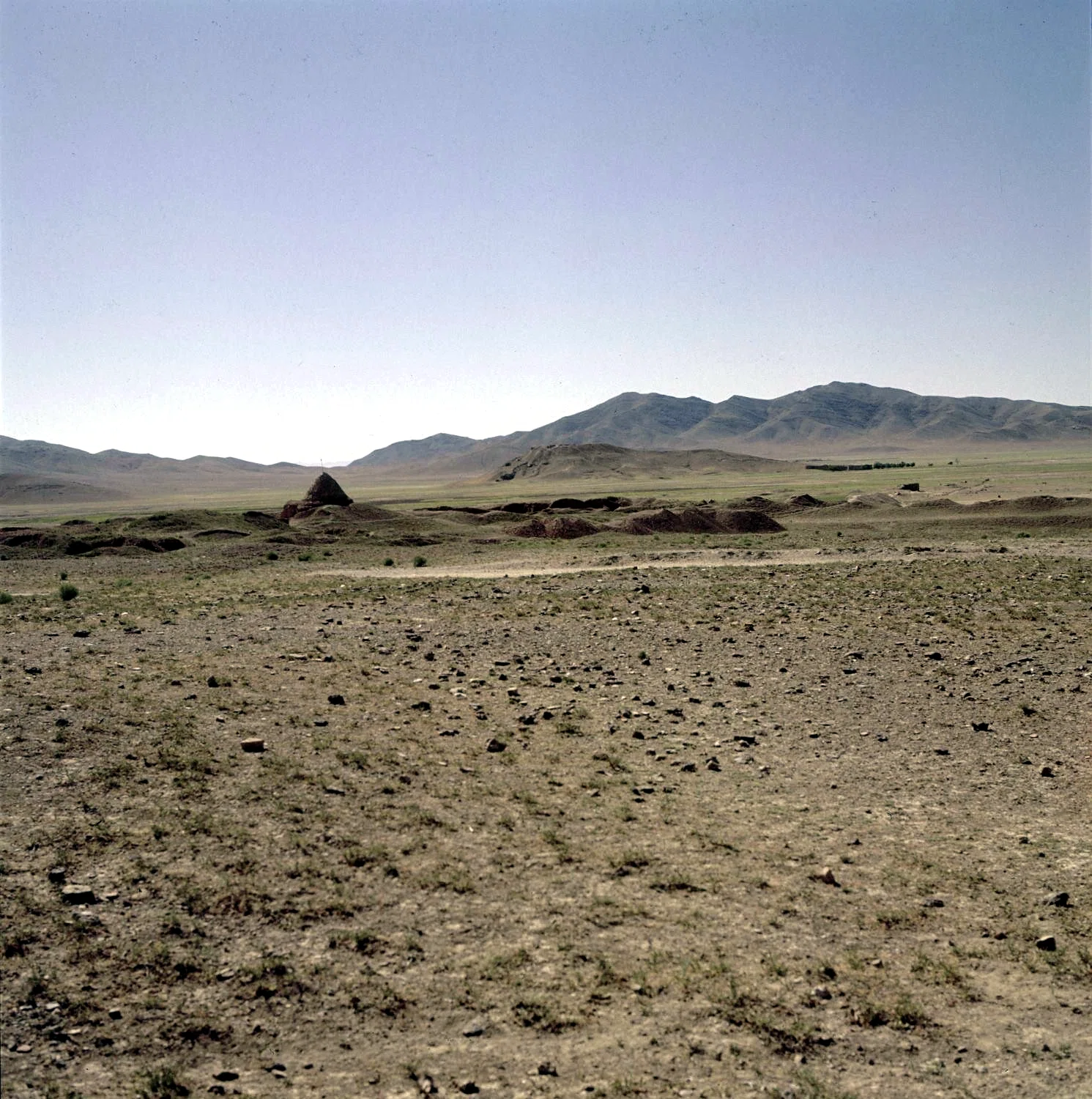
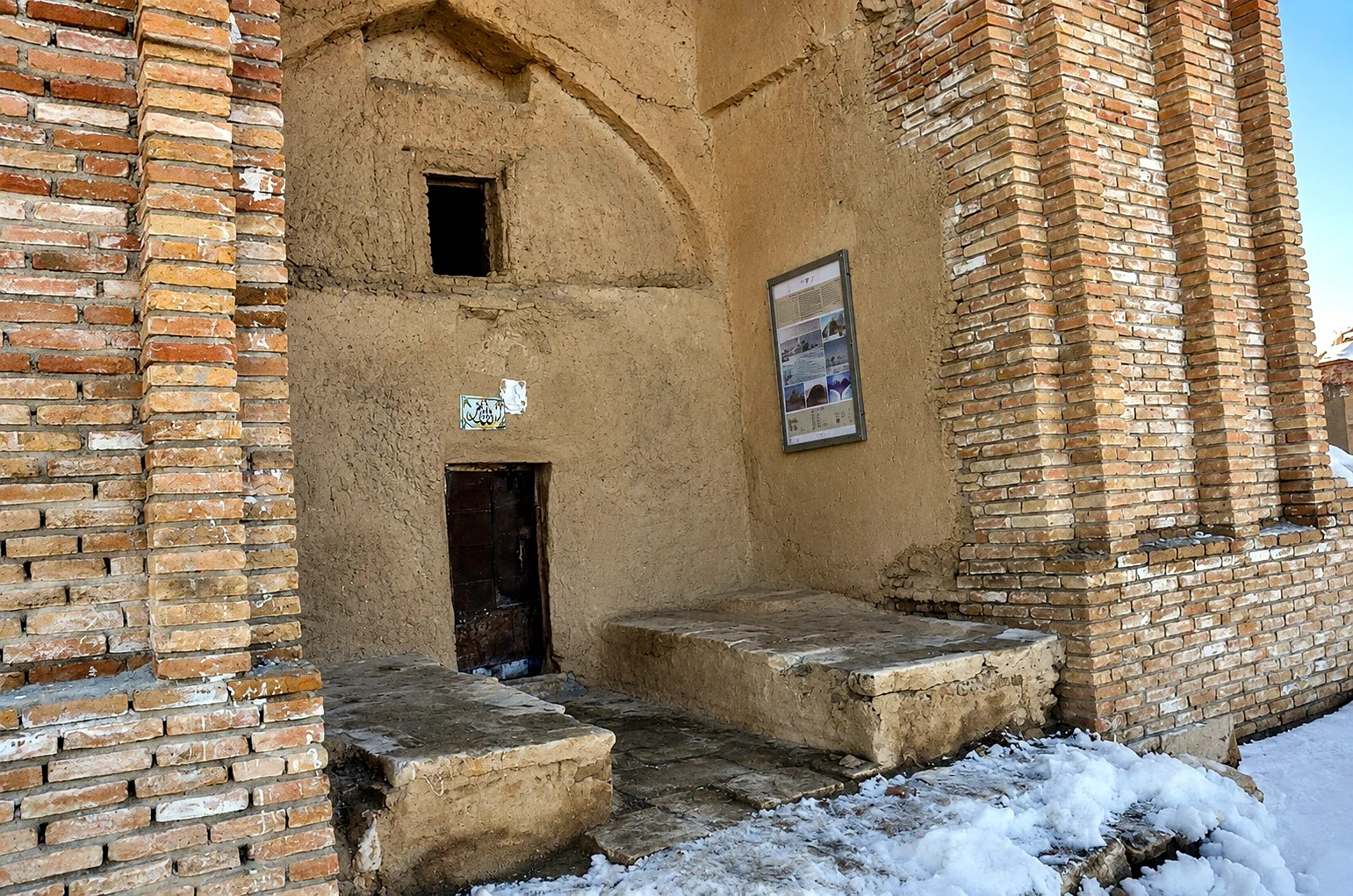
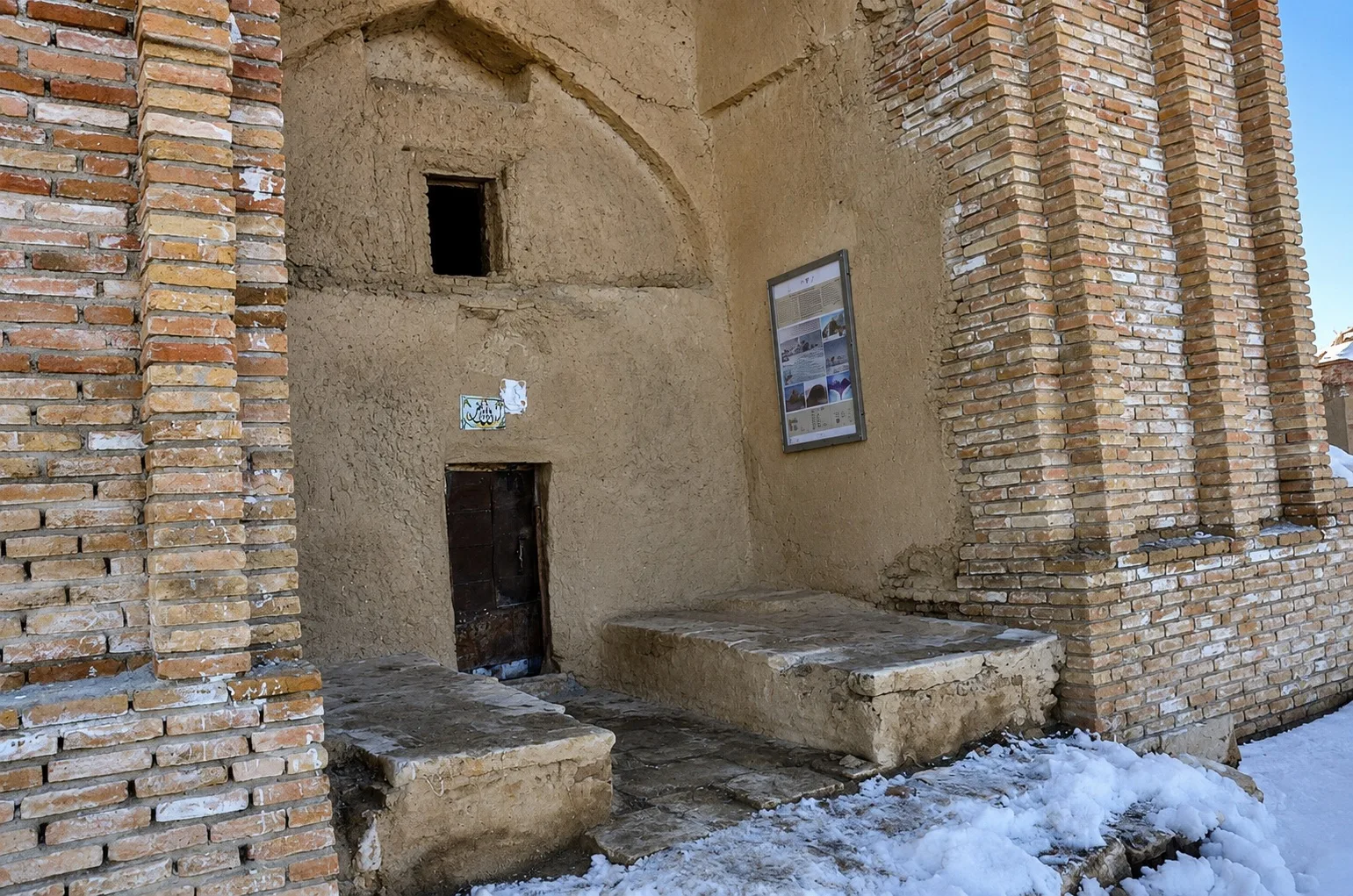
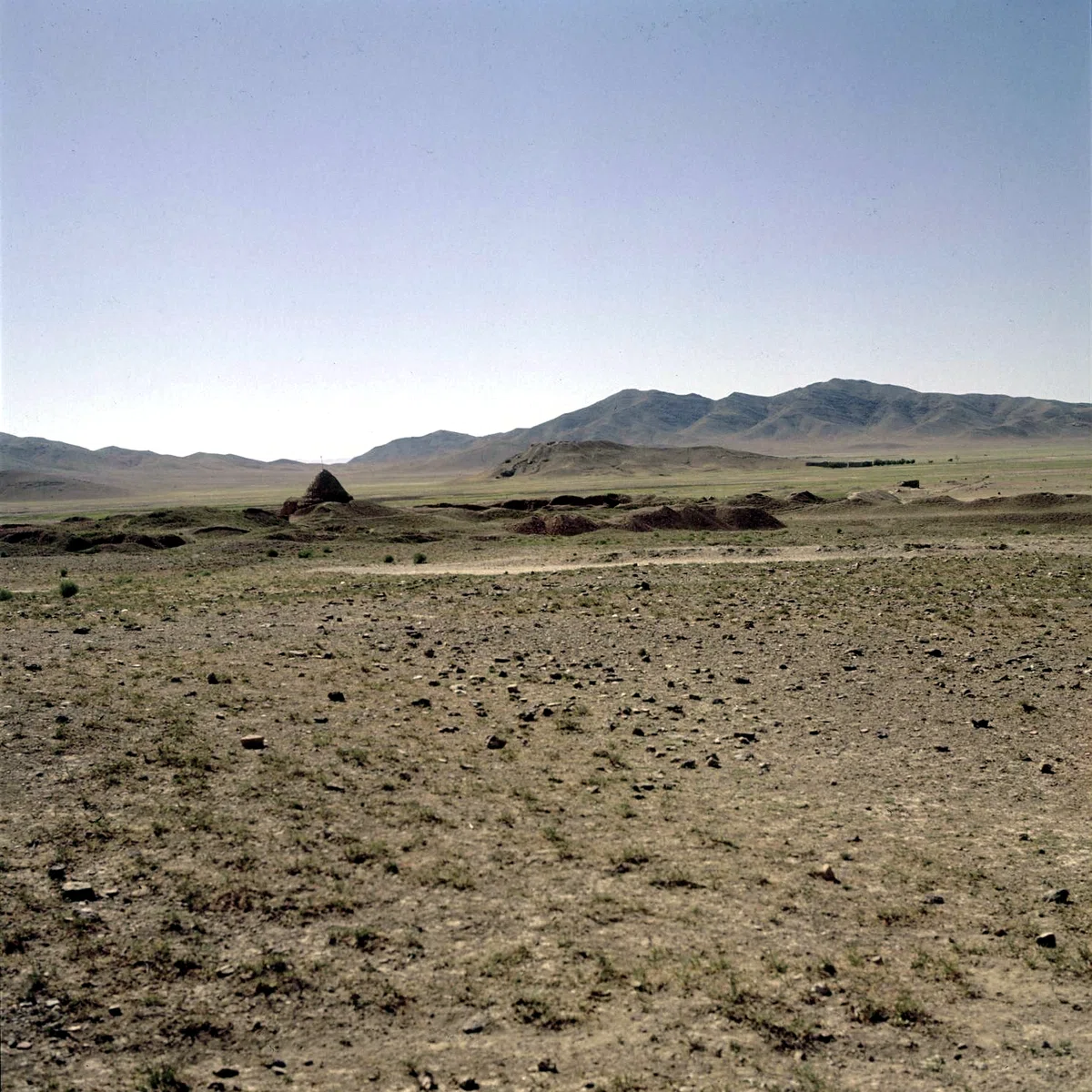
These sprawling ruins once formed a grand royal residence noted for its innovative use of brickwork and decorative terracotta. Today, the palace site provides archaeologists and travelers with a sense of the immense scale of medieval court life in the region.
Short Introduction
Ruined grandeur of the Ghaznavid court. These sprawling ruins once formed a grand royal residence noted for its innovative use of brickwork and decorative terracotta. Today, the palace site provides archaeologists and travelers with a sense of the immense scale of medieval court life in the region.
Cultural / Historical Context
This is a history-focused stop where the surrounding setting is part of the experience. Ruins, surviving structures, and local place memory help visitors understand how older political, religious, and trade networks shaped this part of Afghanistan.
Visitor Reality
Plan this as a 3-hour visit. Access is generally straightforward by Afghan travel standards, but timing still depends on local coordination, road conditions, and the day’s operating plan. The preferred movement style is road. Morning and late afternoon usually give the best light for photography and a more comfortable pace for walking.
Best For
- Travelers interested in ghaznavid
- Travelers interested in palace
- History-focused travelers
- Travelers building a wider regional itinerary