Discover
About Tape Maranjan
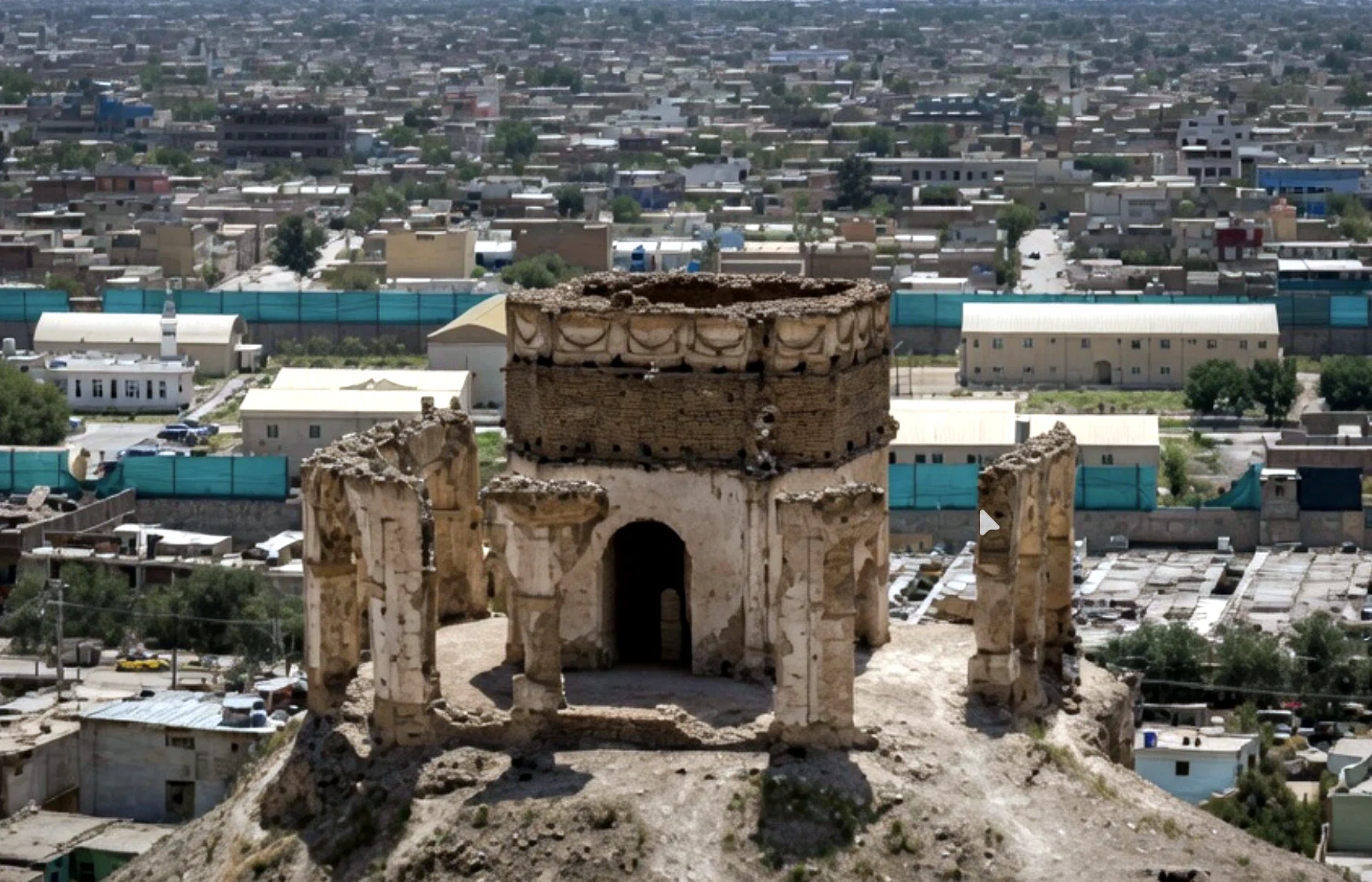
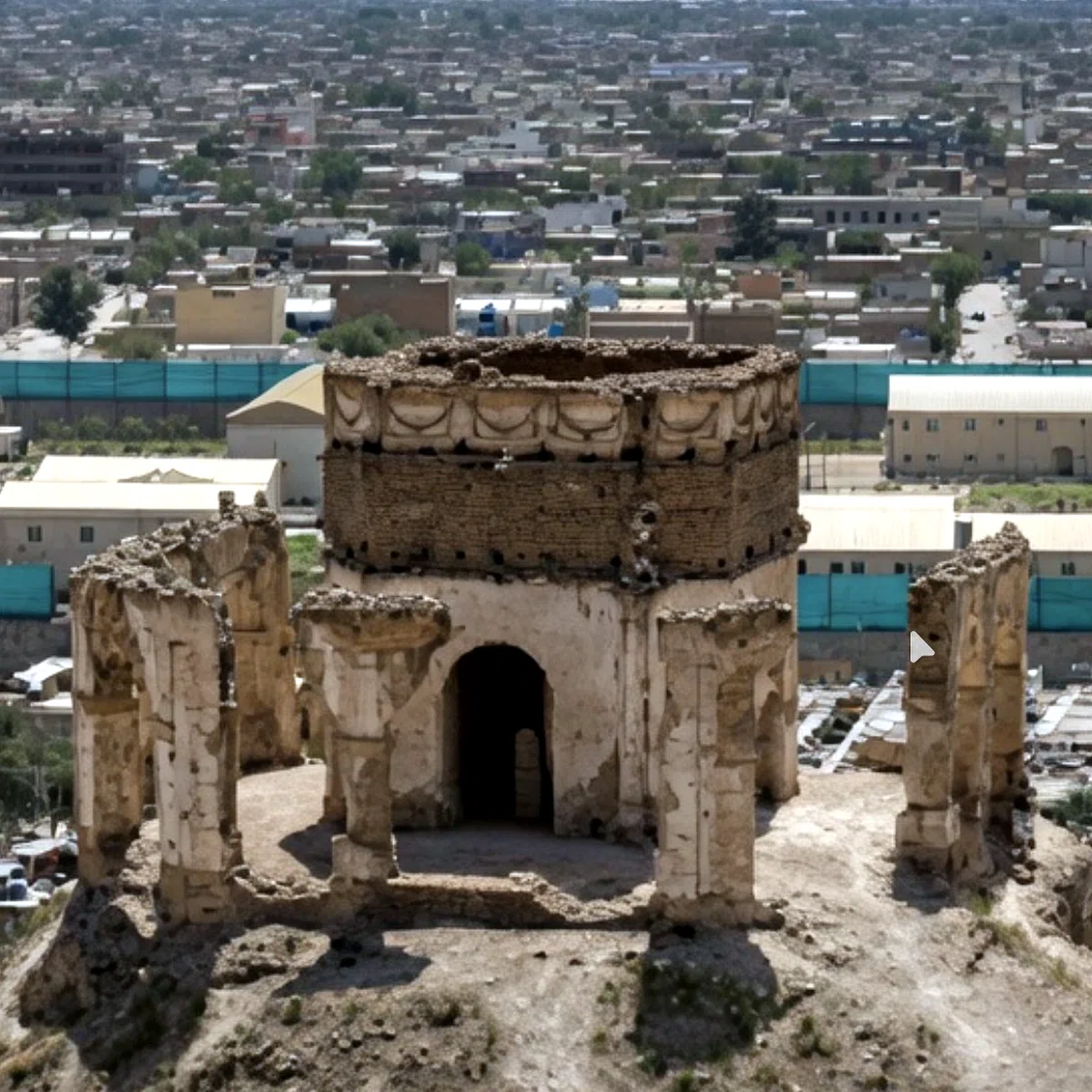
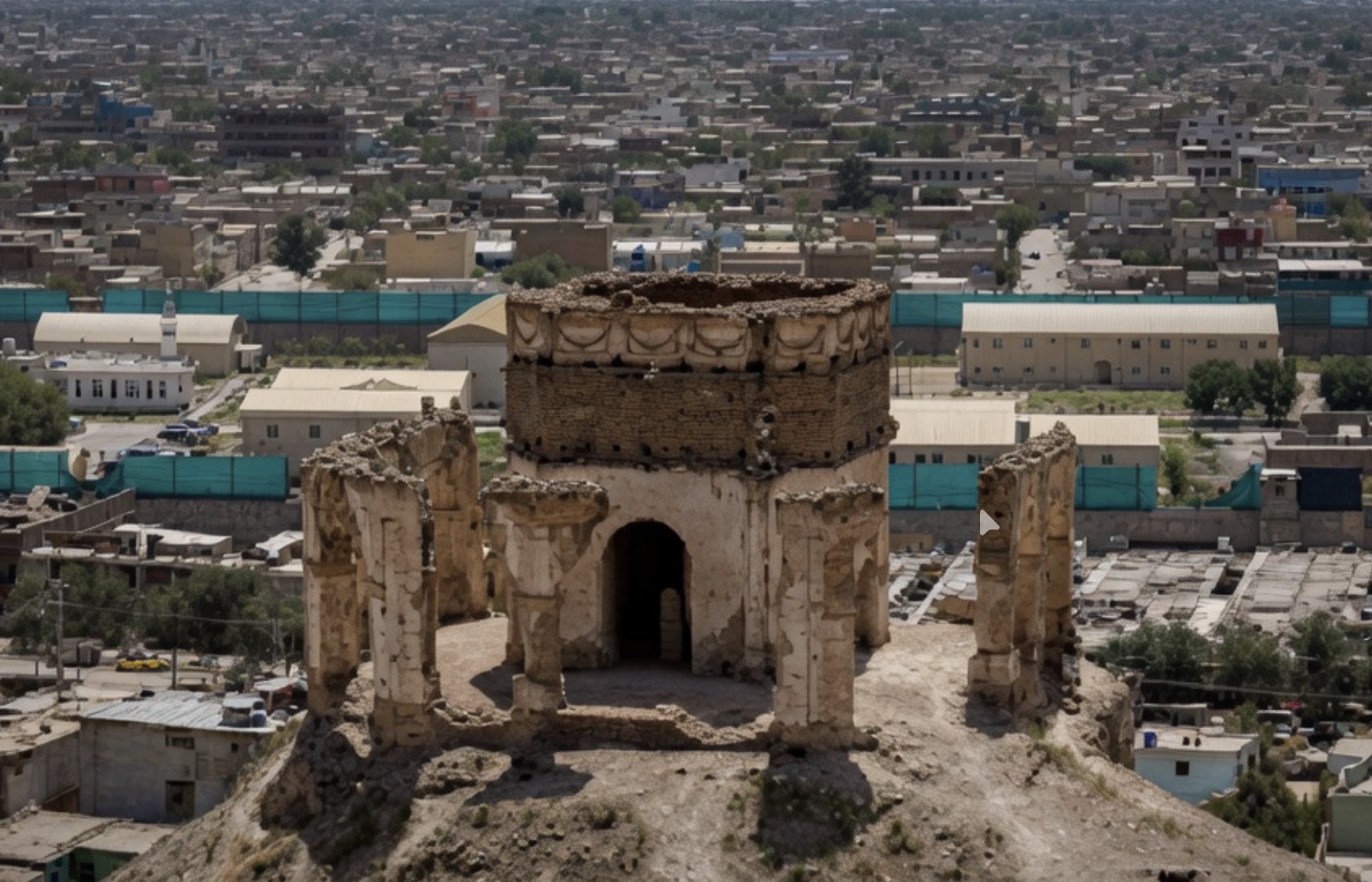
One of Kabul's most important archaeological sites, Tape Maranjan preserves evidence of Buddhist monasteries, sculptures, and Silk Road-era settlements. The hill provides insight into Afghanistan's pre-Islamic heritage while offering commanding views across modern Kabul.
Short Introduction
Tape Maranjan is an archaeological hill in Kabul associated with Buddhist-era remains, ancient settlement layers, and the city’s long role as a crossroads between Central Asia and South Asia.
Cultural / Historical Context
Tape Maranjan helps show that Kabul’s history reaches far beyond its modern city streets. Archaeological work in the area has connected the hill with Afghanistan’s pre-Islamic past, including Buddhist monastic activity, sculpture, and settlement evidence from periods when Kabul sat along important regional trade and cultural routes.
For travelers, the site adds depth to a Kabul itinerary by connecting museum collections, hilltop geography, and the wider Silk Road story of Afghanistan.
Visitor Reality
Access should be arranged with local guidance and checked against current conditions. The site is best visited as part of a Kabul historical circuit, especially when paired with Kabul National Museum and Darulaman Palace.
Expect uneven ground, exposed terrain, and limited visitor infrastructure. Morning or late-afternoon light is best for photography and city views.
Best For
- Cultural travelers
- Archaeology and history travelers
- Documentary and photography travelers
- Visitors interested in Kabul’s pre-Islamic history
- Silk Road-focused itineraries