Living Afghanistan
The experience
Explore the movement, material culture, hospitality, and food traditions of Kuchi nomadic communities when local timing allows.
Across Afghanistan’s open steppes and mountain routes, Kuchi nomads represent a way of life shaped by movement, livestock, weather, and endurance. Their seasonal migrations have connected lowlands and highlands for generations.
A Life in Motion
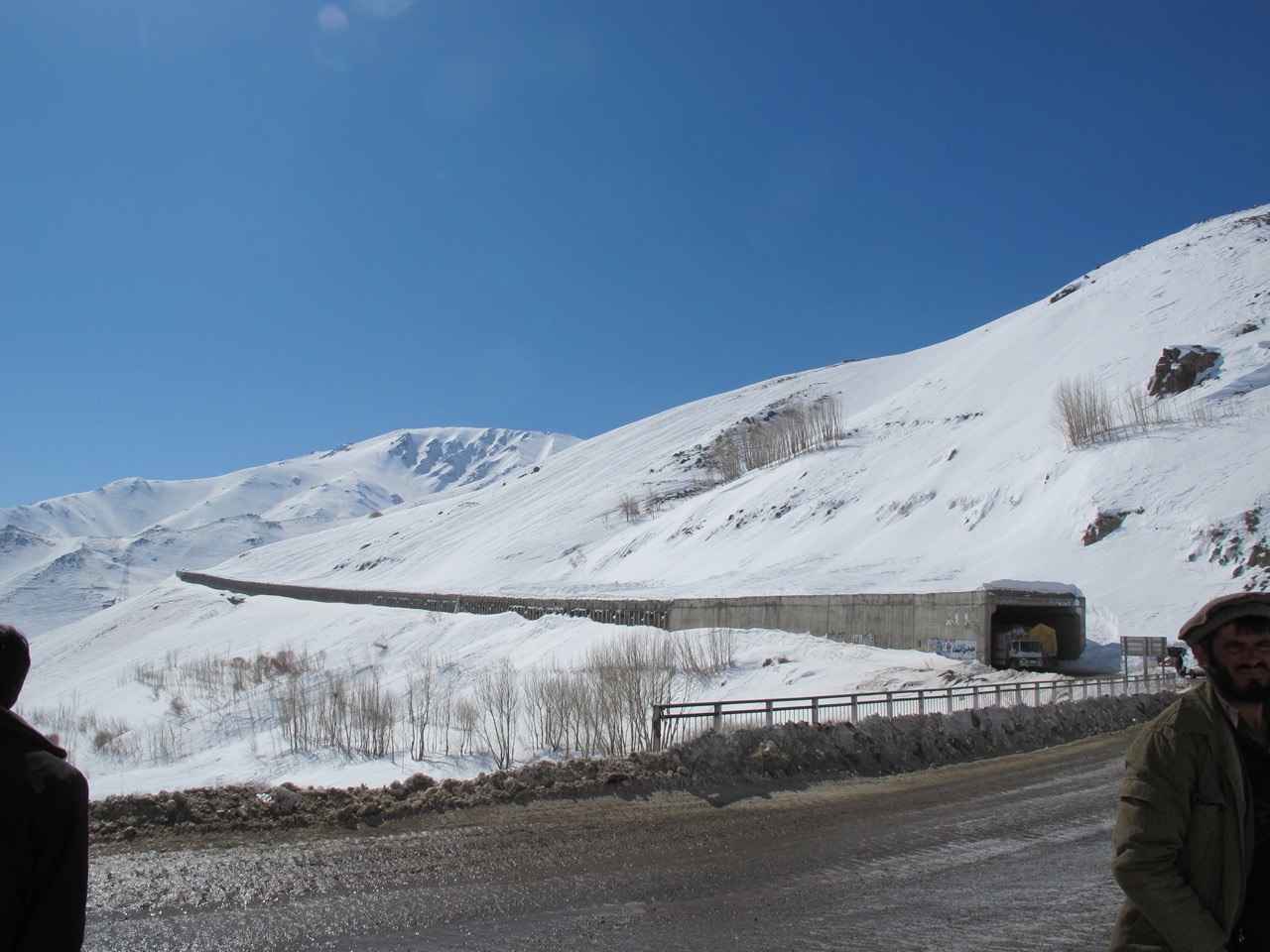
Kuchi families traditionally move with sheep, goats, camels, and household goods according to pasture, climate, and access. In spring, many move toward cooler highland grazing areas. In autumn, they descend before heavy snow closes the passes.
The Gizhdi Tent
The black goat-hair tent, or gizhdi, is one of the most recognizable features of Kuchi life. Its woven material helps manage rain, shade, heat, and mobility.
Color, Jewelry, and Identity
Kuchi dress often contrasts sharply with the landscapes they cross. Embroidery, coins, mirrors, silver jewelry, and bright fabrics reflect tribal identity, family history, and aesthetic pride.
Cultural Pairing: Kurut and Kuchi Bread
Kurut and thick nomadic bread are practical foods for people who live with movement. Tangy dried yogurt, hot bread, and tea offer visitors a direct connection to pastoral life.
Encounters with Kuchi communities should never be treated as guaranteed. They depend on route, season, host comfort, and local access.