Regional Overview
Explore the provinces of Eastern Afghanistan.
Overview
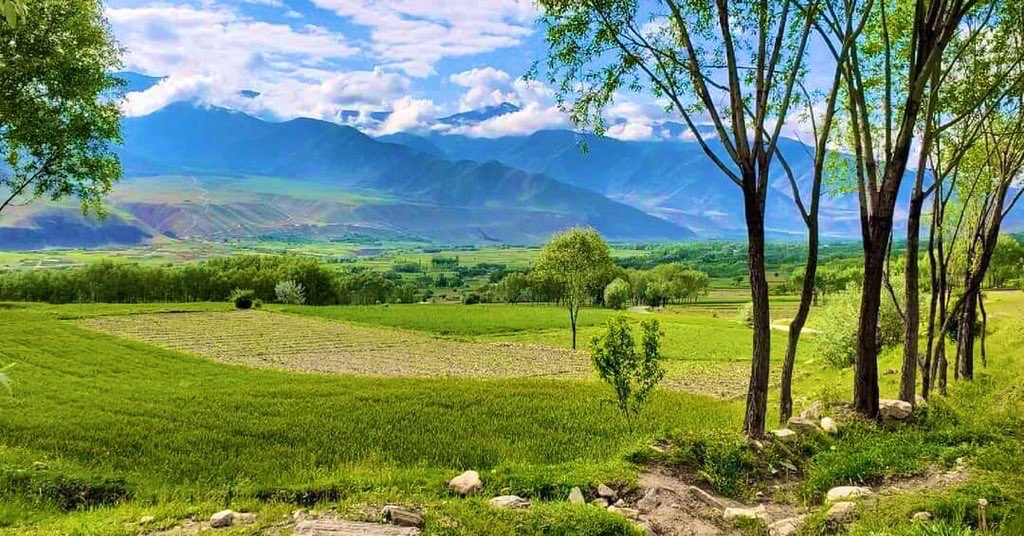
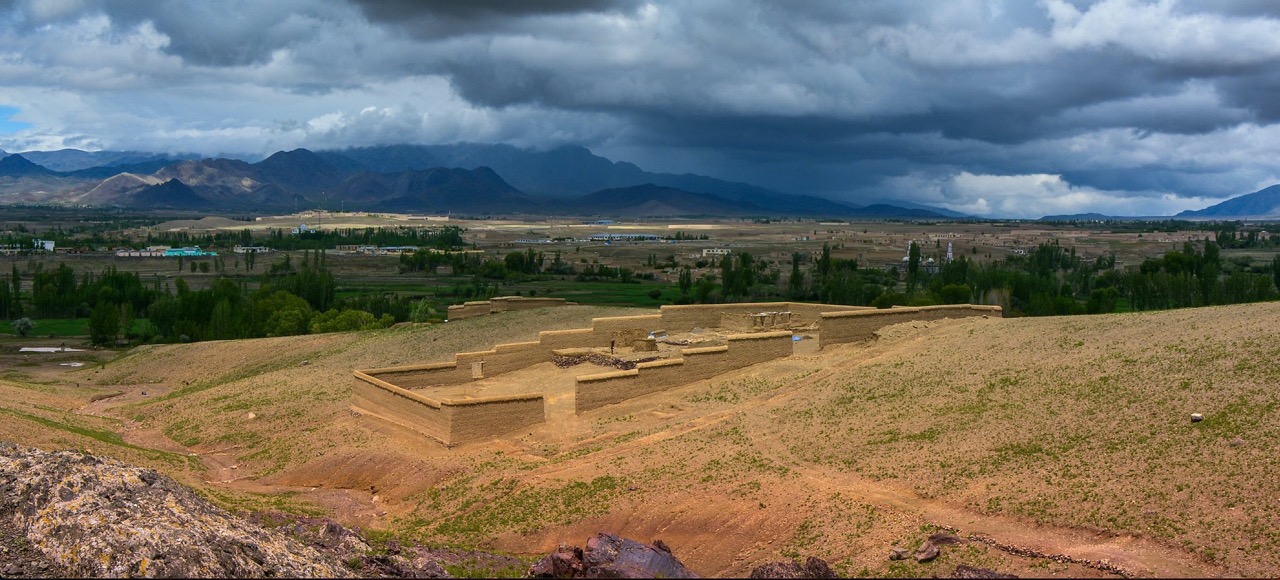
Eastern Afghanistan is defined by forested valleys, major river systems, mountain passes, and deep historical connections to ancient Buddhist civilizations and regional trade routes linking Afghanistan with South Asia.
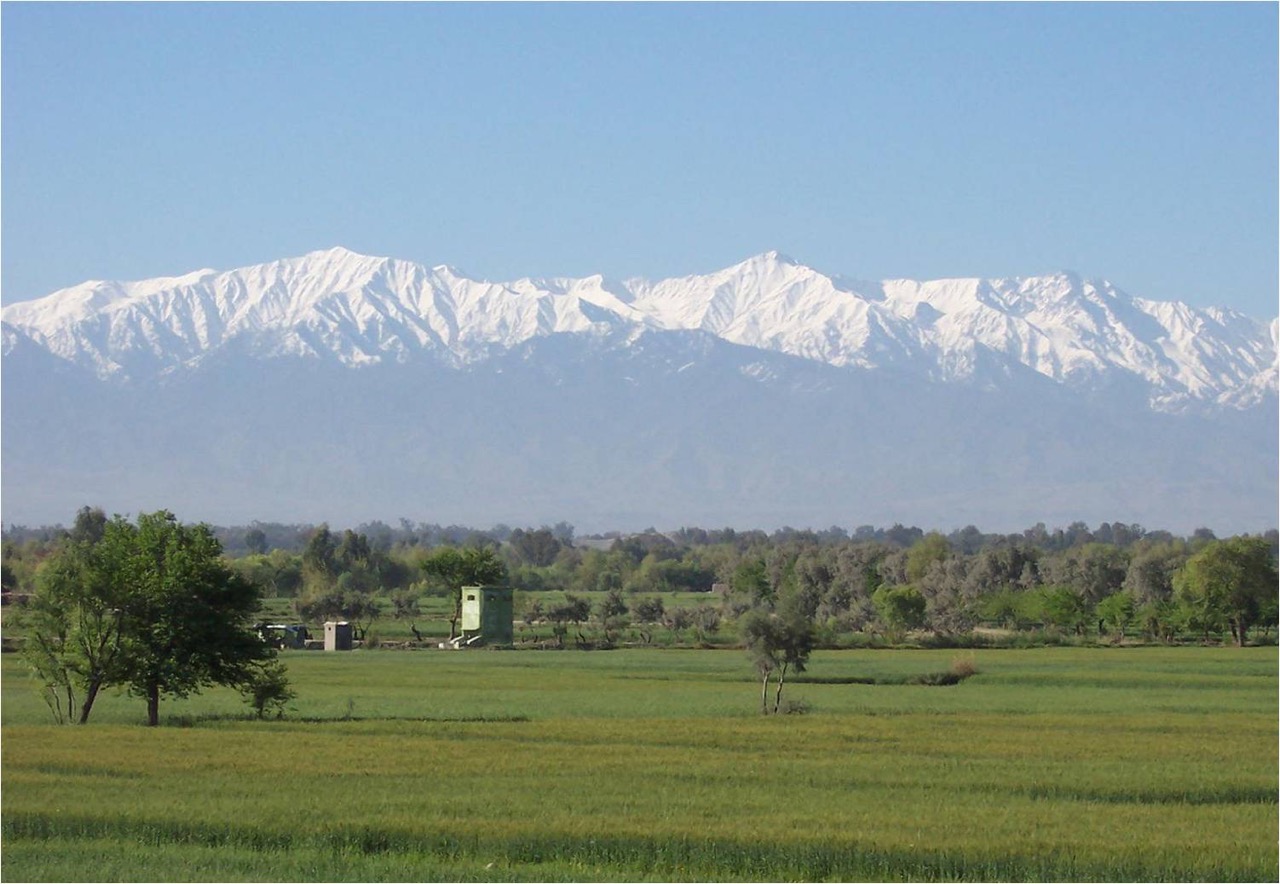
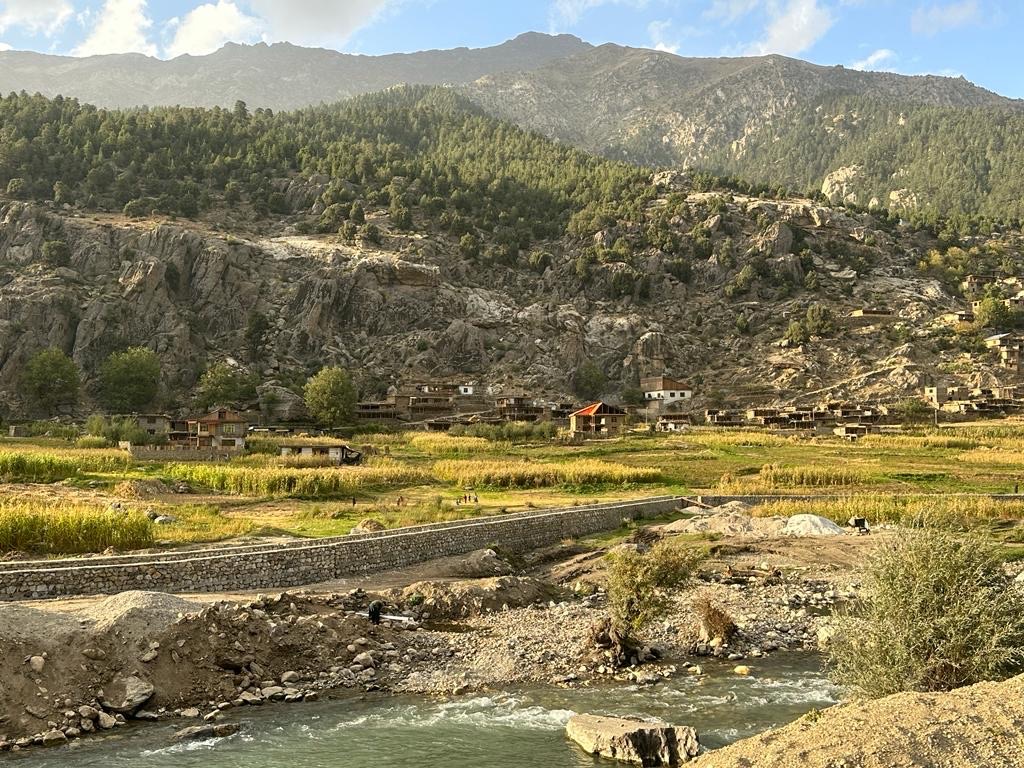
The region includes Jalalabad, Nangarhar, Nuristan, Kunar, Laghman, and surrounding provinces where landscapes shift from fertile subtropical valleys to steep alpine forests and remote tribal mountain regions.
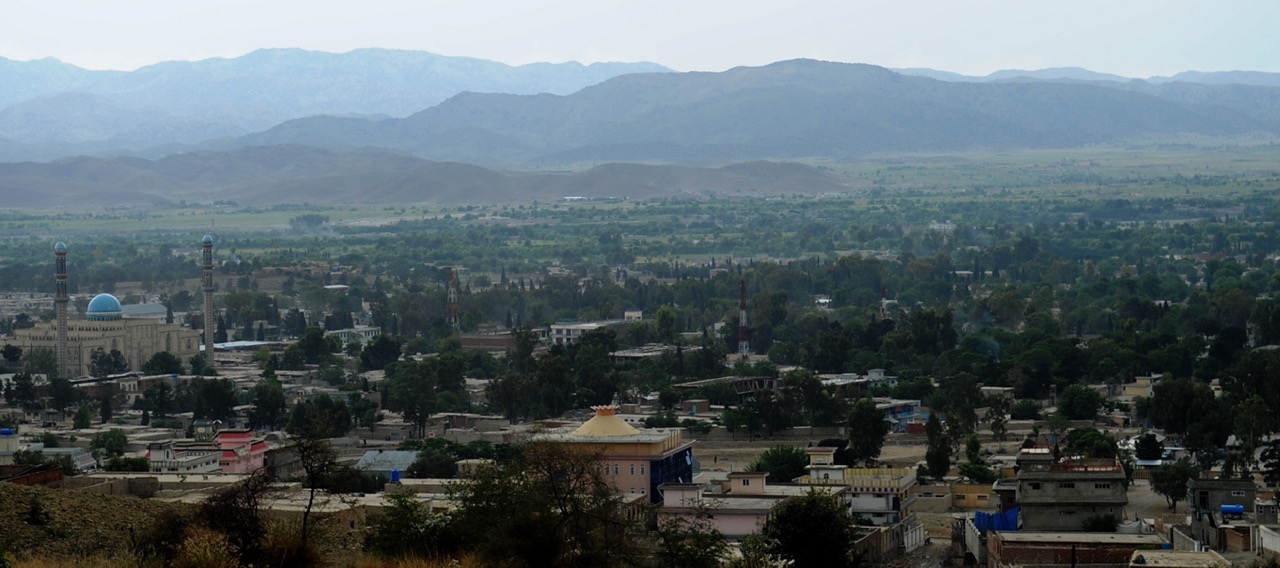
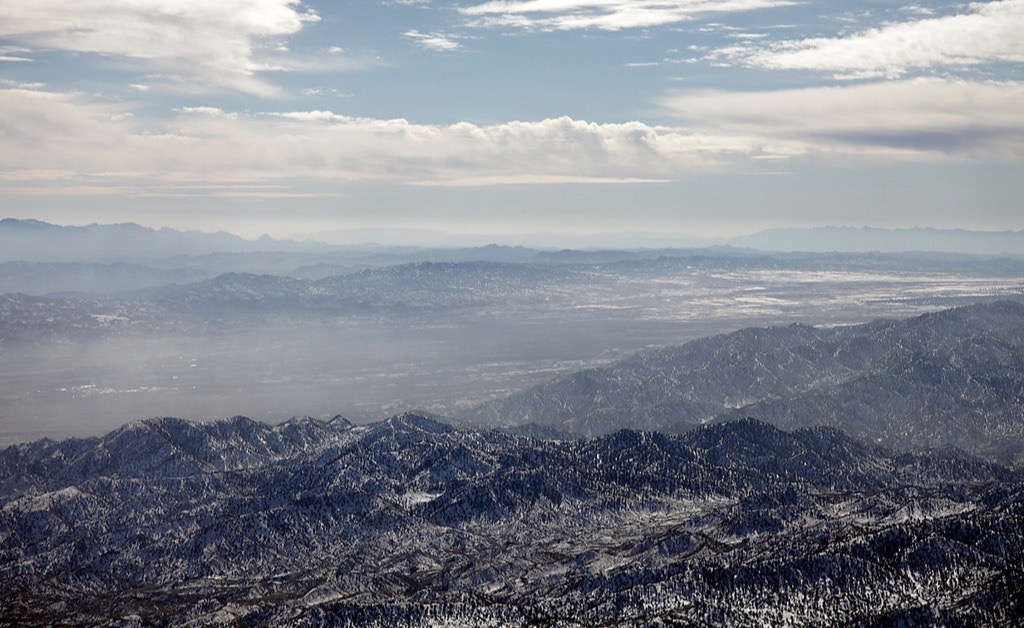
Jalalabad serves as one of Afghanistan’s warmest and most agriculturally productive cities, known for citrus, sugarcane, riverside scenery, and historical links to King Amanullah Khan. Further north and east, Nuristan and Kunar contain some of Afghanistan’s most rugged and isolated mountain terrain.
Travel Character
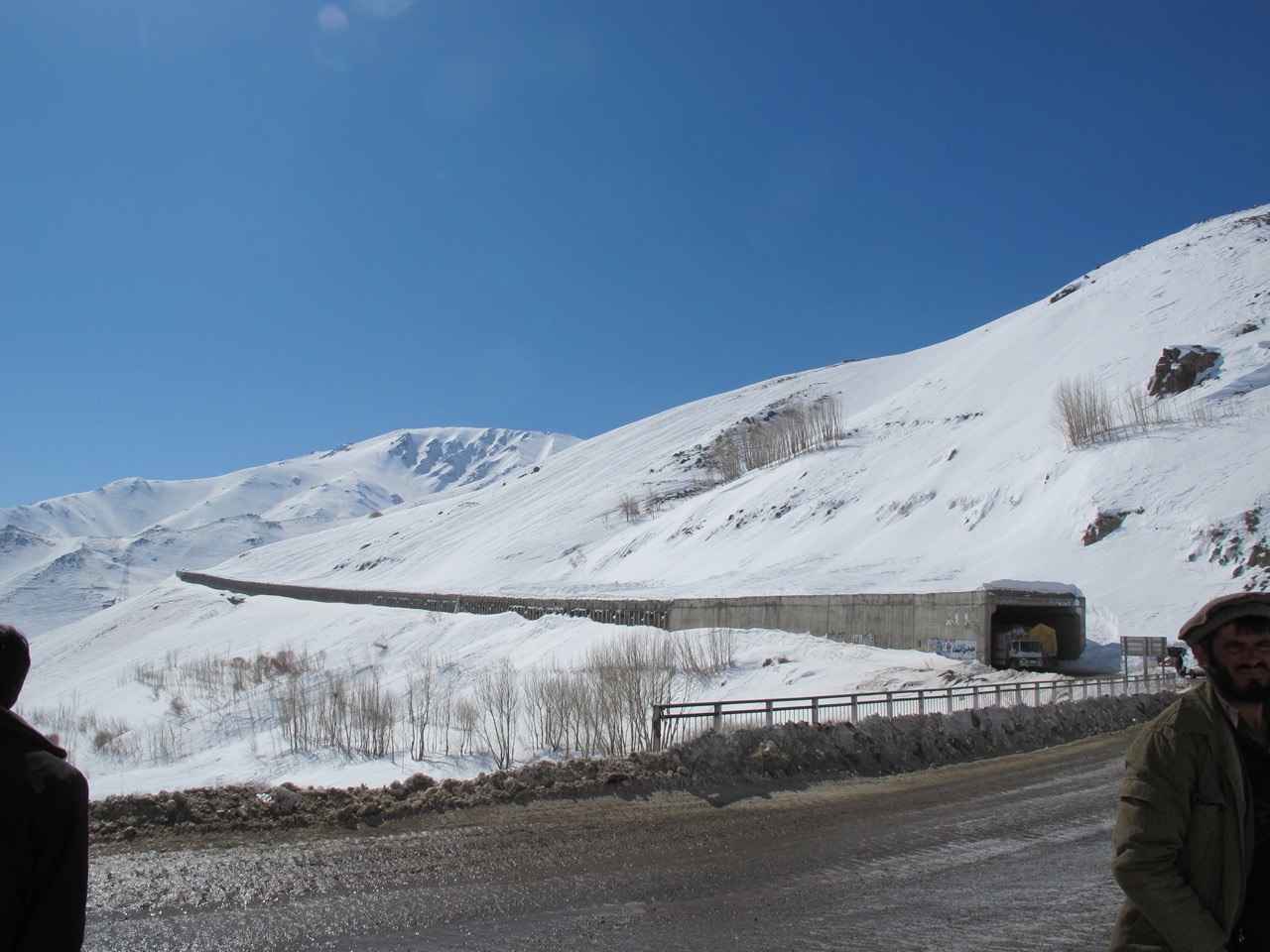
Travel in Eastern Afghanistan combines river valleys, mountain roads, warmer climates, agricultural scenery, and highly varied terrain. Conditions can change rapidly due to elevation, seasonal rainfall, and mountain weather.
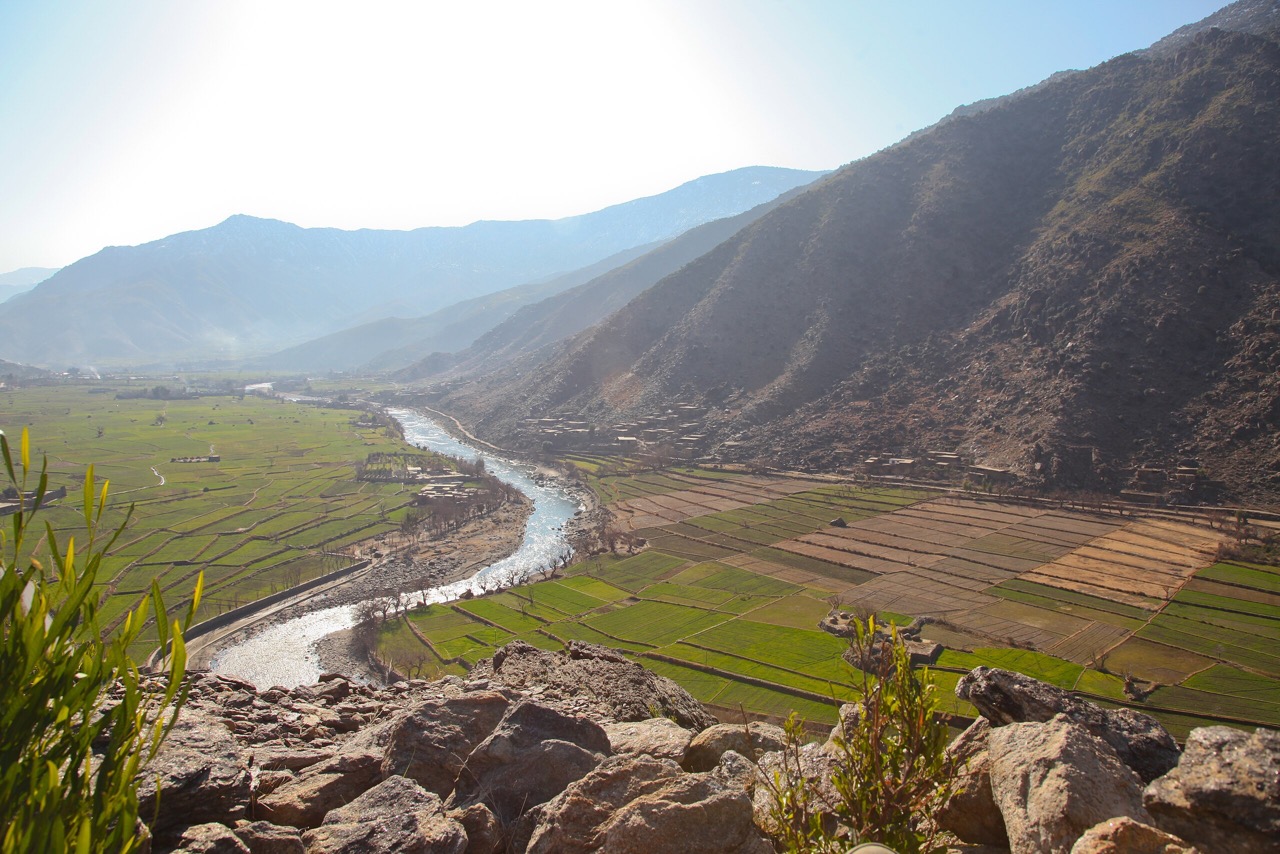
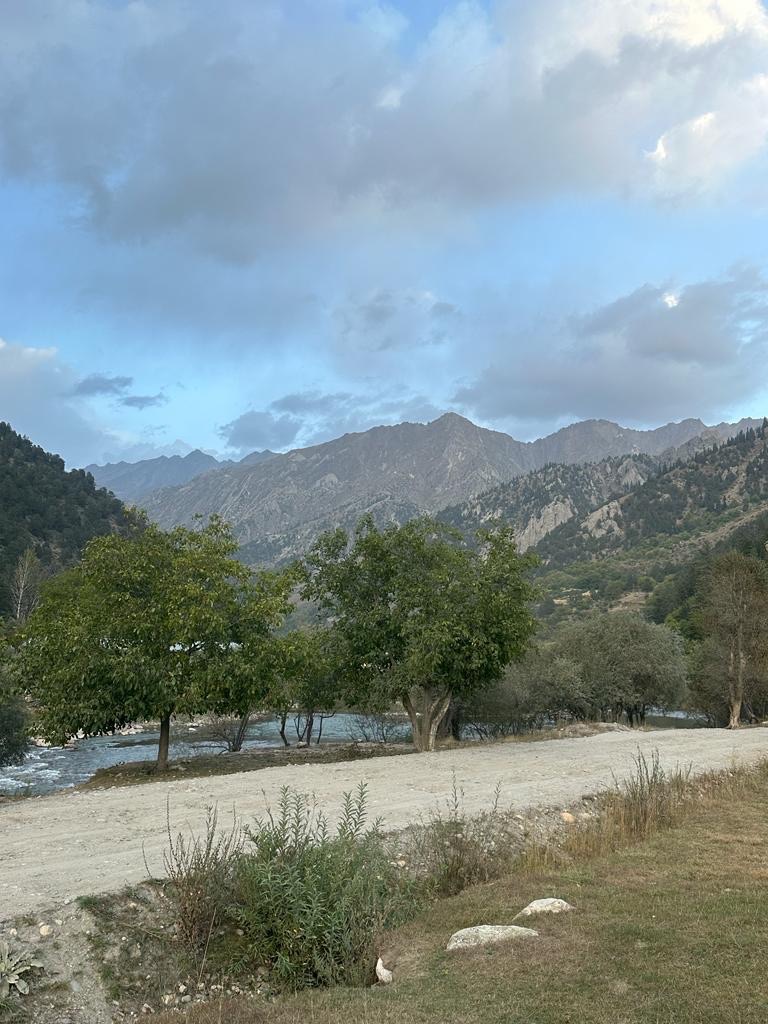
The east often feels greener and more humid than other parts of Afghanistan, particularly near Jalalabad and the Kunar River Valley. Travelers may encounter pine forests, rushing rivers, terraced farming, and traditional mountain communities.
Eastern Afghanistan is particularly well suited for:
- Nature travelers
- Adventure travelers
- Cultural travelers
- Mountain photographers
- Documentary crews
- Travelers interested in Buddhist and Gandharan history